
Over the past two years in Italy, 79% of physical activity has been practiced outdoors, representing a 5% increase compared to the previous period.
Over the last decade, outdoor sports activities—including “extreme” disciplines—have shown steady growth, becoming not only a sporting phenomenon but also a cultural one.
Outdoor sports are characterized by freedom of movement and the absence of controlled environments typical of traditional sports.
Cycling, skiing, trail running, hiking, marathons, and Ironman (Fig.1) competitions involve thousands of participants every year and attract strong media attention.
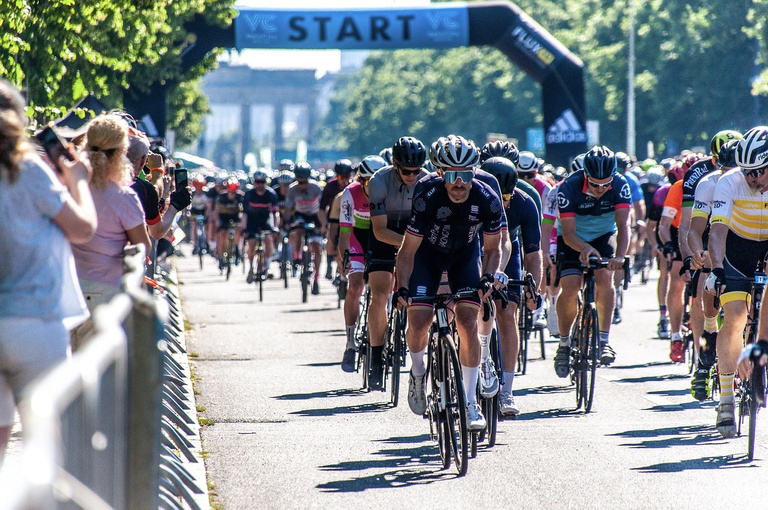
Fig. 1. In 2024 alone, more than 200,000 athletes registered for Ironman and Ironman 70.3 races globally 1.
EXTREMESPORTMED, International Society of Medicine for Outdoor Physical Activity and Extreme Sports, founded in 2013 and recognized by the Italian Ministry of Health, is a scientific society that brings together physicians and healthcare professionals engaged in the study and practice of medicine applied to outdoor physical activity, from recreational forms to Olympic disciplines and extreme sports.
We are committed to promoting and developing medicine applied to outdoor sport and exercise, with three key objectives:
- improving clinical outcomes for patients
- strengthening healthcare systems
- contributing to international scientific research
We believe that physical activity and responsible outdoor sport are fundamental tools for the prevention and management of chronic diseases, as well as for combating sedentary lifestyles.
Our focus is particularly on disciplines that evolve outside traditional sports contexts and pose new challenges to medical science. These practices allow deeper understanding of physiological, biomechanical, psychological, and environmental implications, opening new perspectives for sports medicine.
In addition to musculoskeletal and sports medicine, EXTREMESPORTMED actively addresses applied technologies—from wearable monitoring to portable diagnostics and artificial intelligence—and psychological aspects related to performance, motivation, and risk management.
Finally, we believe that sport can and must serve as a concrete tool to reduce inequalities in access to healthcare, especially in urban peripheries and socially disadvantaged contexts. In these environments, spontaneous extreme sports practices such as skateboarding and parkour often emerge and deserve medical and social attention.
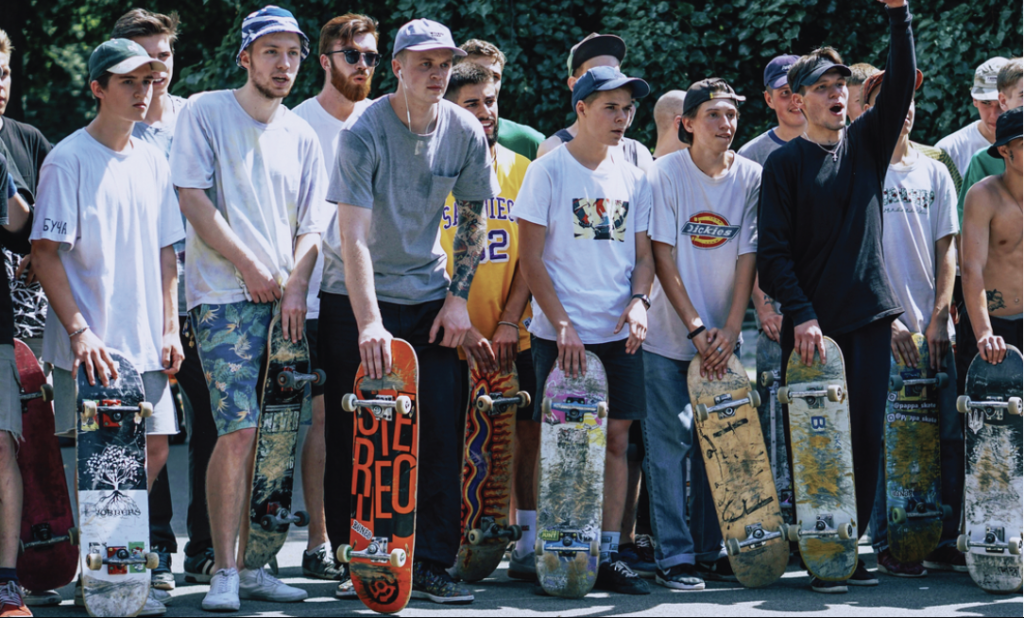
Fig. 2. Sports such as skateboarding represent important drivers of social inclusion in metropolitan peripheries.
- Ironman.https://www.ironman.com/news/future-triathlon-showing-positive-signs-ironmanreleases-
data-highlighting-areas-growth? utm_source=chatgpt.com.[Accessed on: September 2025]. ↩︎